Context
From 2021 to 2024 I worked on live classes in the learner apps, which are white-label apps for schools. I was an implementer on the embedded live player and on Zoom across Android, iOS and web.
The problem
Schools run live classes and need them inside their own branded app and on the web. Three platforms each had their own SDK quirks, and some schools needed the live session protected from screen recording.
What I did
I built the embedded live player in 2021.
I integrated Zoom, which was reverted once and re-applied in November 2021, then the web version, and several SDK updates.
In 2023 I reworked the live player around the Zoom session. All of that change was mine.
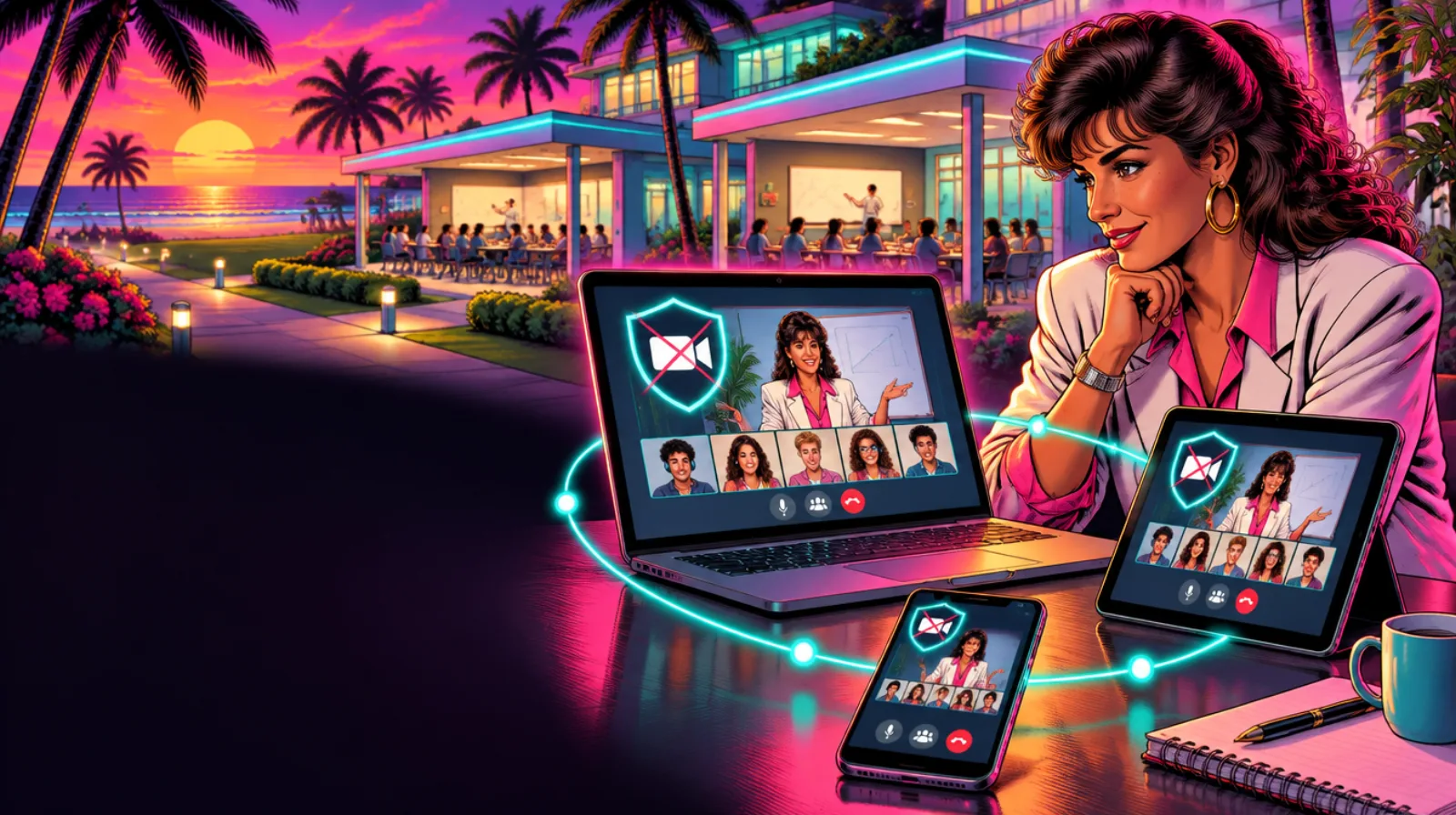
In 2024 I added screen-recording prevention on Android. A lifecycle hook sets the secure-window flag on every activity, including the ones inside the Zoom SDK that the app cannot otherwise reach. It ships disabled and is switched on per school by the app-builder script.
Key decision
I set the protection flag from an app-wide lifecycle hook instead of patching the vendor SDK. It reaches the SDK's screens without forking it.
The trade-off is that it is global to the app, so it is off by default and enabled per school.
Result
Live classes with Zoom now run on 3 platforms: Android, iOS and web. I do not have attendance or usage metrics.
What I learned
I would do the per-school switch again. I would keep a record of which SDK version each platform runs on.
Stack
- React Native
- Zoom SDK
- Android
- iOS
- Next.js